
Breast Health - what do we need to know?!

Okay, women have boobs. It's part of our make up and bodies. Boobs. Breasts. Tits. Milk jugs. Boobies. Melons. Whatever you call them, at the end of the day they are just a body part and it is CRUCIAL to know about the importance of breast health. We know all about the funding that goes into breast cancer research with events such as CIBC Run for the Cure or all the other pink fundraising you see in October. But what about our breast health BEFORE we need the cancer funding research?
First, breast health starts with knowing what is normal and what is not - breast awareness. Women's breasts go through several changes as they go through different life stages.
Puberty
Literally, everyone's favourite time. No? Not yours? I'm honestly just kidding - thank goodness we only go through this once! Puberty often begins between ages 8-13 years of age but it can be normal as well for girls to start before being 8 years old or after 13 years of age as well. Breast growth is the first sign of puberty, usually starting as small mounds. It is common at times to have one breast start to grow before the other (as far as even 6 months before). In the beginning, they may feel painful and tender but this will eventually go away. Young girls will have differences in breast size due to differences in family genetics, hormones and weight.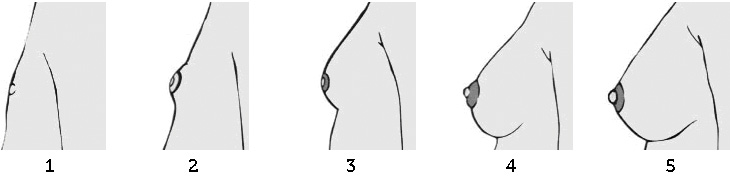
Pregnancy & Breast Feeding
Like the rest of your body during pregnancy, your breasts will change it is a given! Typically you can expect them to get fuller, see more prominent veins and lumpier tissue. It can be common for cysts and other non-cancerous tumors to develop during pregnancy - if you feel a lump though, it is always best to have it checked out just in case!
Breast feeding your breasts will often fill with milk a couple days after childbirth. This can feel painful, rigid and swollen. Breast feeding helps alleviate those symptoms, but if you choose to bottle feed then over a few days your breasts will stop producing milk. A hack to help with pain during this time is actually putting a cabbage leaf over your boob - no, I am not kidding. Breast feeding can also lead to sore and cracked nipples or plugged milk ducts - this can at times turn into mastitis which needs to be treated with antibiotics!
Breasts over 40
During menopause you will notice physical changes. Your mammary glands will shrink and they are replaced with fattier tissue - sometimes meaning your breasts will get bigger. They also may get saggier. Your risk factor for breast cancer increases with age, so make sure you discuss with your family physician when you should start going for mammograms!
Breast Habits for any Age
No matter what age you are limiting alcohol, cigarettes and maintaining a healthy weight are all good factors in helping prevent breast cancer or other breast related illnesses.
Things that are considered "normal"
- having two slightly different sized breasts
- one hangs lower than the other
- hair around your nipples
- breast tenderness before or during your period
Check out your doctor if you notice:
- a firm lump you've never felt before
- swelling around your breast, collarbone or armpit
- dry, cracked, red or thickened skin around your nipple
- blood or fluid leaking from your nipples (except if it is milk)
- warmth or itching in your breasts
Keep in mind these symptoms can mean other things than cancer, it can mean an infection or some sort of irritation. It is important to be open with your healthcare provider about your breast health and asking questions if you're unsure. Later this week we will be teaching a crucial part of breast health - performing a self-exam! Stay tuned!
References
Mayo Clinic
WebMD
https://youngwomenshealth.org/


No comments: